About me
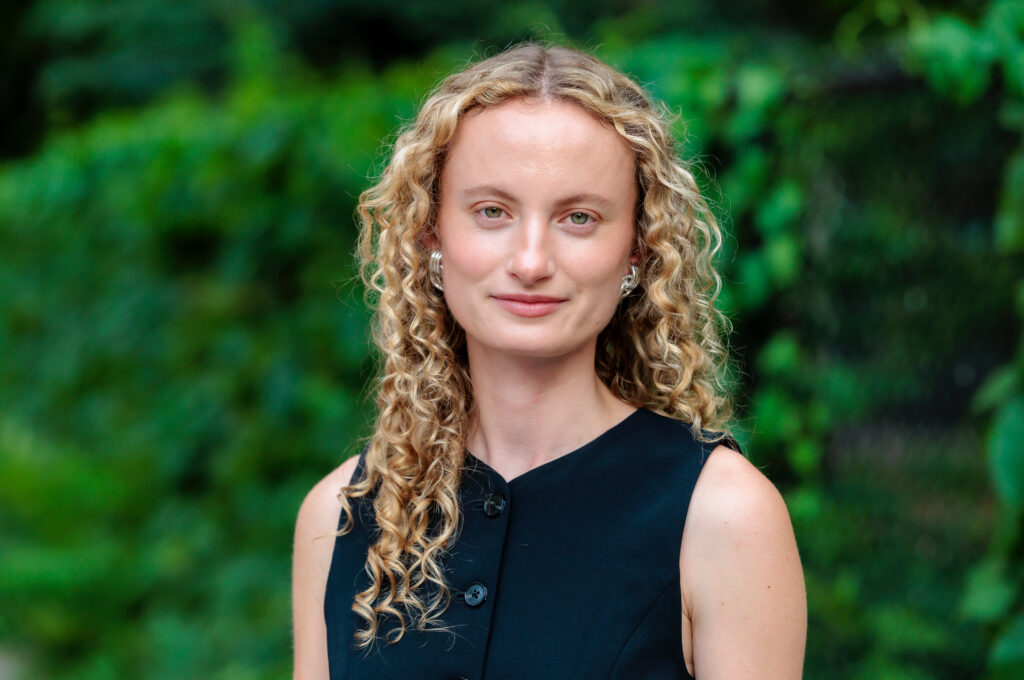
Emily believes therapy is more than symptom management — it’s a space for transformation. A place to be seen, make meaning of your experiences, and develop a deeper understanding of who you are and what matters to you. Despite what you may have been told, you do not need to be fixed — but you deserve to be understood. Her role is to help you connect more deeply with who you already are. “The most inspiring thing to me is that people can transform,” she reflects.
At the core of her work is the belief that healing happens in relationship. She views co-regulation, attunement, and presence as essential ingredients for meaningful change, and understands therapy as a relational process rooted in connection and safety. As Emily describes it, “in the right therapeutic setting—one grounded in safety and support—clients can begin to process what has happened to them while also reclaiming their agency: this happened to me, and I still get to choose how I move forward.”
Emily offers a warm, collaborative, and non-judgmental space where all parts of you are welcome. “I am right there with you as we explore together and move toward greater clarity, connection, and self-compassion.” She brings in structured tools when it’s helpful, but she also trusts your inner wisdom and aims to support its unfolding.
Emily works from a relational, insight-oriented, attachment-based perspective, integrating EMDR, parts work, and other trauma-informed practices. She works with clients navigating anxiety, depression, relationship challenges, life transitions, and the impact of trauma. Emily has expertise in psychedelic integration and ketamine-assisted psychotherapy, and she is particularly interested in the adverse mental health effects of screens- helping clients develop practical harm-reduction strategies to build more intentional relationships with their technology.
Emily received her clinical training at Columbia University, where she specialized in psychedelic-assisted therapy as part of the world’s first program of its kind. She has served as a therapist on multiple psychedelic clinical trials working with compounds such as psilocybin, LSD, and MDMA. Her clinical background spans a wide range of settings and populations, including university-based crisis intervention with first-generation college students, play-focused early childhood education with toddlers and children, ketamine-assisted psychotherapy for frontline healthcare workers, and psychosocial care for refugees and asylum seekers in humanitarian crises.
Focus Areas
- Trauma and PTSD
- Anxiety
- Depression
- Mood Issues
- Stress Reduction
- Life Transitions
- Relationship Challenges
- Self Esteem
- Spirituality
- Screen Use/Digital Harm Reduction
- Psychedelic Integration