About me
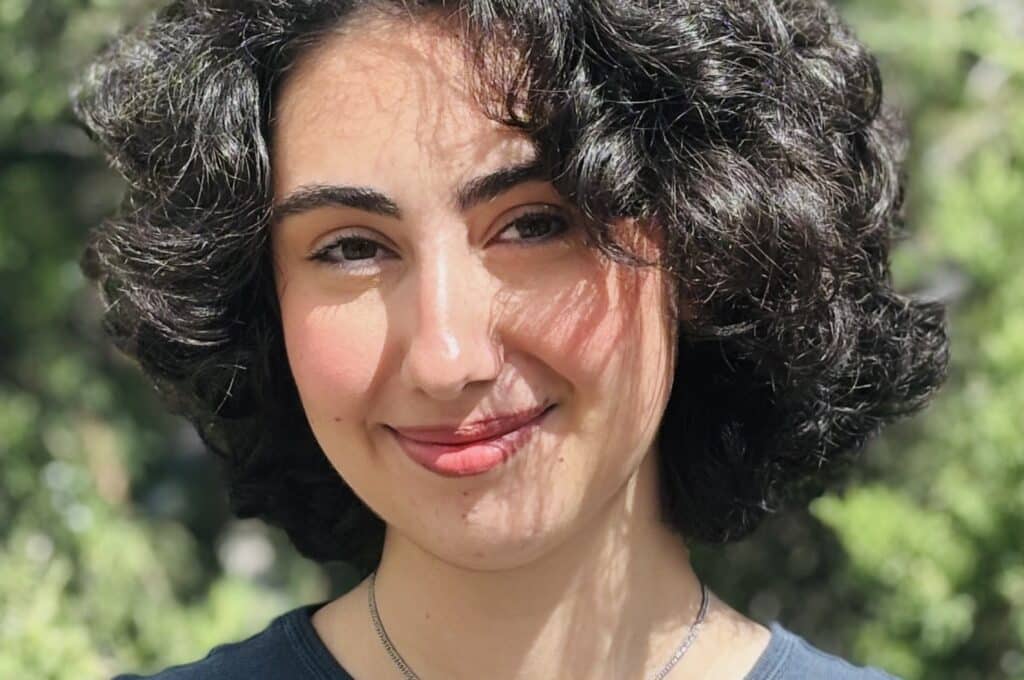
Enrica is most passionate about working with clients who feel “too much” or “not enough,” who sense there are parts of themselves they haven’t fully met yet, and who want to deepen their self-understanding. She is especially drawn to clients exploring identity, gender and power dynamics, feminist concerns, queerness, and the unique pressures of being an oldest daughter or caregiver. Enrica also welcomes working with people experiencing anxiety, depression, relationship challenges, and the impacts of trauma. She has experience working with autistic individuals and is committed to supporting neurodivergent clients. Many of the people who are a good fit for her work are thoughtful, introspective, and curious about their inner world.
Enrica brings warmth, openness, and cultural humility to her sessions, creating a space where you’re welcome exactly as you are, without judgment. Her style balances gentleness with honest, sometimes playful challenge; she is not afraid to name patterns, question old stories, and gently disrupt defenses when it serves growth. Grounded in her own transformative experience in therapy, Enrica believes healing often involves moving out of emotional “autopilot,” getting curious about the narratives we’ve carried for a long time, and gradually moving toward a more confident and self-compassionate way of being.
Her Italian and Canadian background, along with her upbringing in an immigrant family, shapes her belief in community, interdependence, and the importance of feeling you belong somewhere. She sees needing others not as a weakness, but as one of the most human sources of strength. She welcomes conversations about culture, migration, and family roles. She also enjoys integrating creativity and time in nature into the healing process and strives to offer a space where you can bring your full complexity and feel accompanied as you move toward a more grounded, empowered sense of self.
Enrica is also a part of Columbia University’s Psychedelic Therapy Training program and is interested in how altered states of consciousness can support insight, emotional processing, and healing when approached thoughtfully.
Focus Areas
- Anxiety and Depression
- Relationship challenges (romantic, platonic, familial)
- Psychedelic integration
- Perfectionism, people-pleasing, and self-esteem issues
- Trauma (including developmental, cross-cultural, and intergenerational trauma)
- Shifts in identity and personal growth
- Neurodiversity
- Issues specific to being a part of the LGBTQIA2S+ community (stress from experiencing homophobia and transphobia, gender dysphoria, social stigma and isolation)